Clock Face Template 5: A Designer’s Review for Real Embroidery Projects
When I sit down to evaluate a new design asset, my first question is never about the file format or the price point. It is about utility. Can this design survive the transition from a digital screen to a physical fabric surface without losing its soul? Does it hold up under the tension of a hoop? Will a customer look at a finished tote bag and feel that immediate connection to the handmade aesthetic? Today, I am putting Clock Face Template 5 through that exact mental gauntlet. As an experienced designer who has stitched thousands of designs for clients ranging from boutique owners to hobbyists making personalized gifts, I look for clarity, balance, and emotional resonance.
The First Impression: Mood and Visual Personality
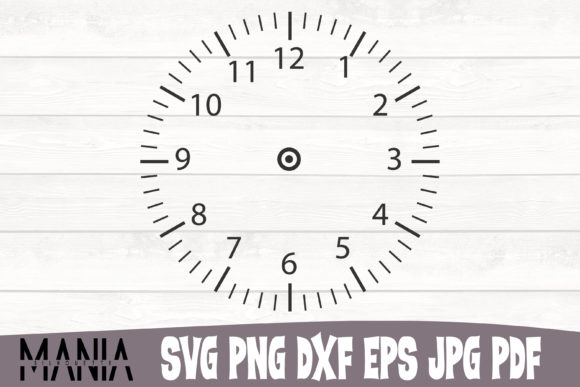
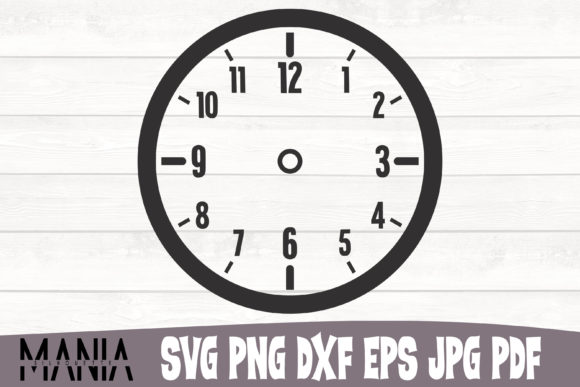
At first glance, Clock Face Template 5 feels like a study in restrained elegance. The name suggests a functional object, but the execution leans toward decorative artistry. In the world of graphic templates, it is easy to get lost in overly complex patterns that scream for attention. This design, however, whispers. It creates a mood of quiet sophistication, reminiscent of vintage wall clocks found in mid-century modern kitchens or the minimalist decor of a contemporary nursery.
The layout is clean, which is a designer’s best friend when working with machine embroidery design files. There is no visual clutter that might translate into tangled threads or confused stitch paths. The visual personality here is versatile. It does not scream "novelty," nor does it drift into abstract confusion. It sits comfortably in that sweet spot of recognizable iconography—everyone knows what a clock face is, yet the specific styling of Clock Face Template 5 allows it to serve as a canvas for personalization. Whether you are aiming for a rustic farmhouse vibe or a sleek urban loft aesthetic, this design has the structural integrity to support both.
Real-World Application: From Screen to Stitch
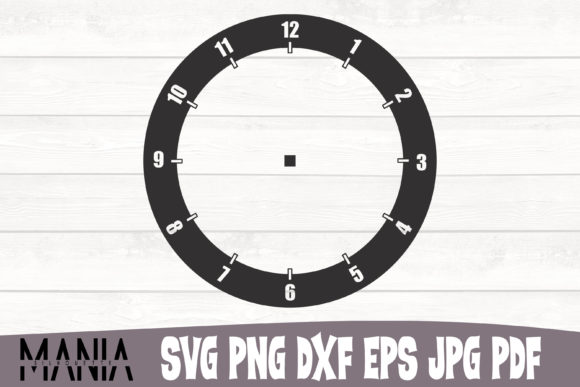
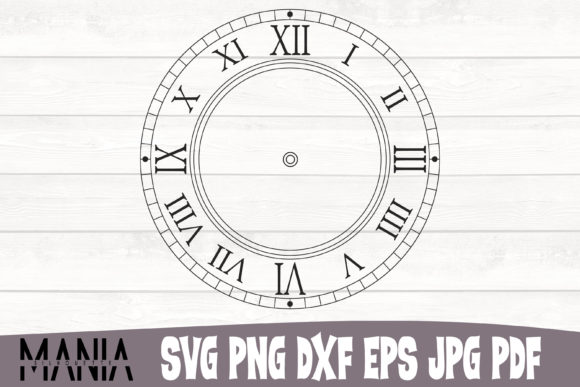
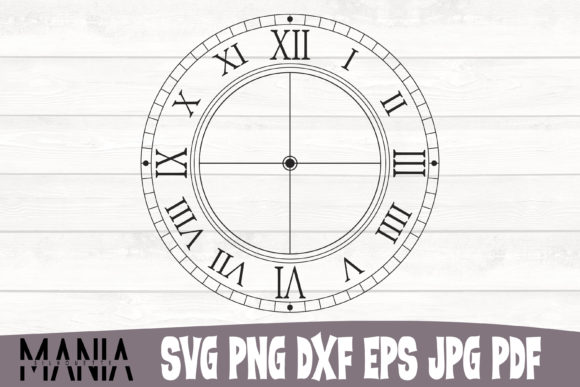
Let’s talk about where this design actually lives in your workflow. Imagine you are preparing for a busy holiday season. You have a list of custom orders for personalized gift items. Clock Face Template 5 shines brightly in scenarios involving home decor and apparel. Consider a custom embroidered patch intended for a denim jacket. The circular symmetry of the clock face provides a contained area that frames lettering beautifully. If you were to place a recipient’s name inside the clock face, replacing the numbers, the design becomes instantly unique.
I also see significant potential in the realm of tote bag design. A large canvas tote featuring this clock face, perhaps filled with a subtle fill stitch pattern in a muted sage or navy thread, would appeal heavily to the Etsy seller demographic looking for practical yet stylish accessories. The design translates well to larger formats because its geometry remains stable even when scaled up. However, it is equally effective on smaller items. Think about apron embroidery for a baker or a coffee enthusiast. Placing the clock face near the pocket area adds a touch of whimsy that suggests time management or the joy of slow living.
For baby embroidery, this design offers a gentle alternative to traditional animals or clouds. A onesie or a burp cloth featuring Clock Face Template 5 in soft pastels can serve as a meaningful keepsake, marking the passage of time in those early months. It works beautifully as part of a nursery decor set, perhaps paired with a small moon or star motif, creating a cohesive narrative on a blanket or pillow cover.
Technical Considerations and Fabric Constraints
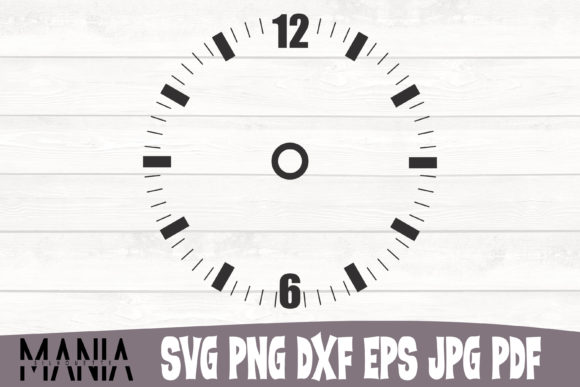
No review is complete without addressing the technical realities of stitching. While Clock Face Template 5 is visually appealing, its success depends entirely on how you handle the substrate. I must advise caution when using this design on textured fabrics. A heavy boucle wool or a nubby linen can obscure the fine details of the clock hands or the tick marks, turning a crisp design into a muddy blob. For these materials, I recommend simplifying the internal elements or opting for a bold satin stitch outline rather than intricate inner detailing.
Stretchy fabrics present another challenge. When embroidering on custom apparel like t-shirts or sweatshirts, the fabric wants to move. If your hooping technique is not secure, the circular shape of the clock may distort into an oval. Always use a high-quality stabilizer appropriate for the fabric weight. For knit fabrics, a cut-away stabilizer is non-negotiable to maintain the structural integrity of the design over time.
Dark fabrics require thoughtful thread selection. If you attempt to stitch light-colored details onto a black background without sufficient contrast, the design will vanish. Conversely, stitching dark threads on white fabric can sometimes show every imperfection in the backing. I often suggest testing thread colors on scrap pieces of the actual fabric before committing to a final product. This simple step saves hours of unpicking and re-stitching.
Where to Use It Carefully
- Small Hoop Sizes: If the design contains tiny numerical details or thin lines, ensure your hoop size accommodates the minimum stitch width. Cramped stitches can lead to puckering.
- Curved Surfaces: Applying this to a cap or a curved hat brim requires advanced stabilization techniques. The flat geometry of the clock face may not follow the curve naturally without distortion.
- Dense Stitch Areas: If you plan to fill the entire clock face with dense fill stitch, check the fabric breathability. Too much density can make a garment stiff and uncomfortable.
- Frequent Washing: For items like kitchen towels or aprons that undergo frequent laundering, ensure the design edges are secured properly to prevent fraying or thread breakage.
Impact on Product Value and Brand Consistency
Using a well-designed asset like Clock Face Template 5 directly influences perceived value. Customers can often tell the difference between a mass-produced, low-resolution print and a carefully executed embroidery project. The precision of the lines and the stability of the shapes convey professionalism. When an Etsy seller or small shop owner presents a finished product with clean, intentional design work, it builds trust. It signals that care was taken in the creation process.
This design also supports brand consistency. Because it is a timeless symbol, it pairs well with various branding palettes. A craft business focusing on organizational tools might use this design to reinforce themes of time management. A boutique selling wedding favors could use it to represent the start of a new chapter. Its adaptability makes it a valuable addition to any library of design assets.
Practical Designer Notes for Success
Before you load this file into your machine, take these steps to ensure a smooth production run:
- Test on Scrap Fabric: Never assume a design will stitch perfectly on the first try. Run a test on the same fabric type you plan to use for the final product.
- Review Stitch Density: Check the file settings if possible. Ensure the stitch density matches the fabric weight. Light fabrics need lighter density; heavy fabrics can handle more coverage.
- Inspect Small Details: Zoom in on the digital preview. Are the clock hands distinct? Are the markers clear? If they are too close together, consider simplifying the design for smaller projects.
- Black and White Mockups: View your design in grayscale. This helps you assess contrast levels without being distracted by color choices.
- Confirm Licensing: If you intend to sell finished items made with this design, verify the commercial use rights. Some digital embroidery file licenses restrict resale, while others allow it. Protect your business by reading the fine print.
In conclusion, Clock Face Template 5 is a solid, versatile choice for designers seeking a blend of functionality and aesthetics. It respects the medium of embroidery while offering enough character to stand out in a crowded market. By paying attention to fabric choice, stabilization, and thread contrast, you can transform this graphic template into a cherished handmade product that customers will love long after the initial purchase.