Clock Face Template 4 Embroidery Review
As a designer who spends half her life staring at stitch density charts and the other half trying to convince clients that "simple" is actually hard to execute well, I approach every new digital asset with a mix of curiosity and skepticism. We have all been there: you download a file labeled "easy," load it into your machine, and five minutes later you are praying the thread doesn’t snap or the fabric doesn’t pucker. That is why I am taking Clock Face Template 4 for a spin before committing it to any final client project or Etsy listing.
This pack falls under the Graphic Templates category, specifically designed as Graphics for cutting and embroidery software. It comes with a versatile suite of formats including SVG, PNG, EPS, JPEG, and DXF. While these formats suggest flexibility across Cricut, Silhouette, and various iron-on machines, my focus here is strictly on how this design translates when it hits the hoop. Does it hold up? Is it worth your time? Let’s dive into the practical realities of using Clock Face Template 4 in real-world scenarios.
First Impressions and Visual Personality
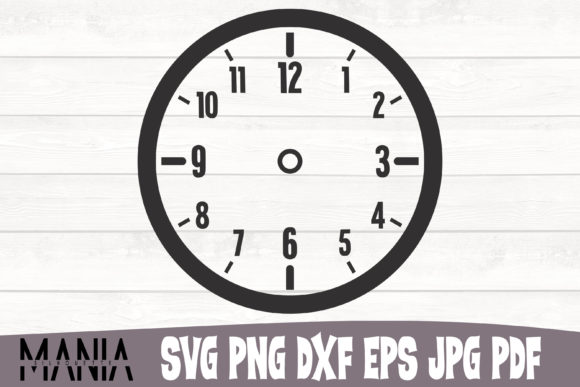
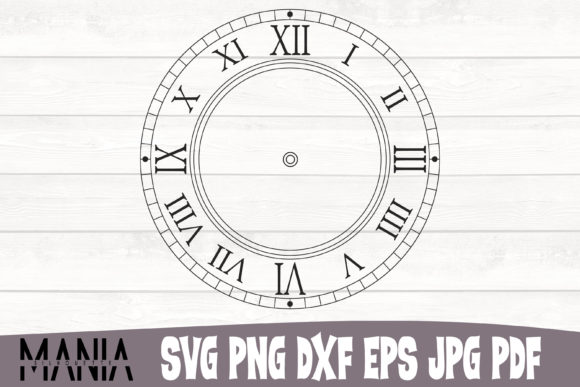
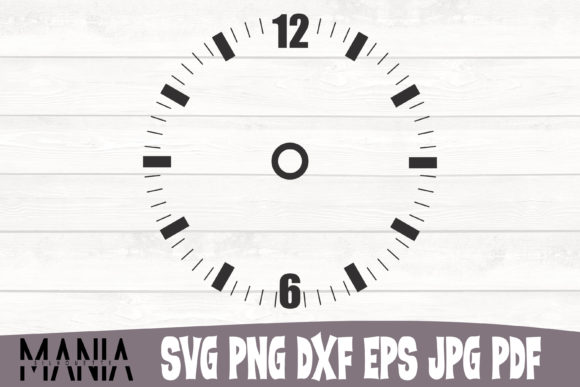
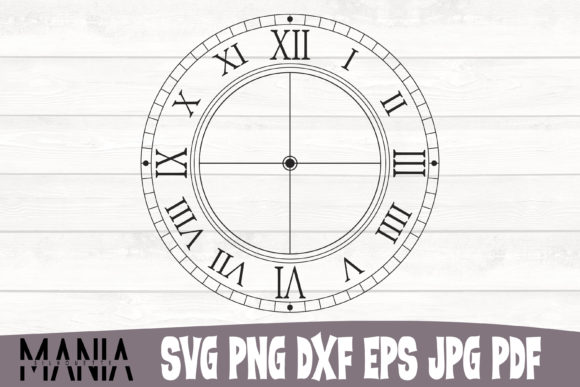
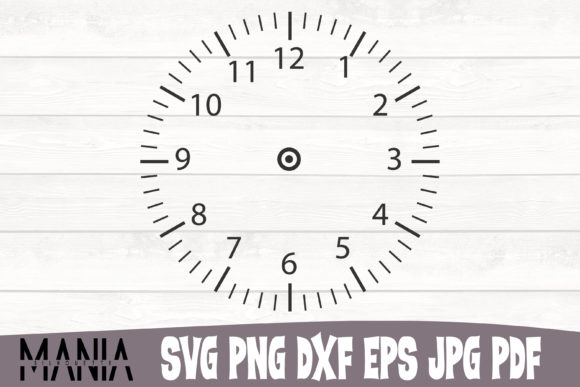
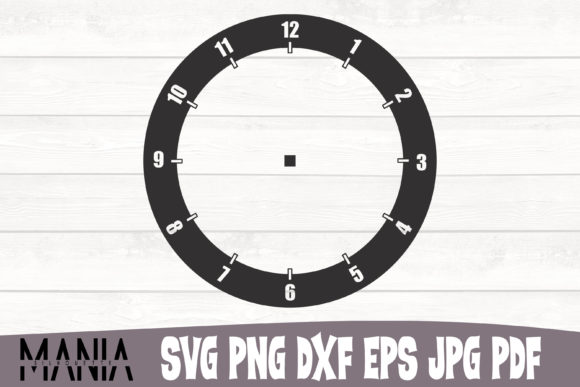
When you first open the vector files for Clock Face Template 4, the immediate takeaway is its clean, geometric reliability. There is no unnecessary flourish or overly complex shading that would require a hundred different thread colors to look good. Instead, it relies on strong lines and clear structure. This is exactly what makes it a compelling candidate for a machine embroidery design intended for mass production or quick personalization.
The mood it creates is one of organized nostalgia. It feels like something you might find in a mid-century modern kitchen or a minimalist nursery. It is not loud, but it is present. For an embroiderer, this visual personality is a gift because it reduces decision fatigue. You do not need to overthink the color palette; the design speaks for itself. Whether you are aiming for a rustic farmhouse vibe or a sleek urban aesthetic, the underlying geometry of Clock Face Template 4 adapts easily to both.
Real-World Application: The Tote Bag Test
To truly judge an embroidery file, you have to imagine it on a product. My go-to stress test is always a canvas tote bag. Why? Because canvas is thick, often uneven, and prone to shifting if the stabilizer isn't perfect. If a design fails on canvas, it will fail everywhere.
I envision Clock Face Template 4 centered on a heavy-duty cotton tote, perhaps in a deep navy or charcoal grey. Because the design features distinct shapes, it lends itself beautifully to applique techniques. Imagine cutting the clock face from a contrasting felt or leather, stitching a satin border around it, and then filling the interior with a simple running stitch pattern. This transforms the embroidery file from a flat graphic into a textured, tactile handmade product.
For an Etsy seller or small shop owner, this versatility is key. A customer looking for a personalized gift does not just want a logo stamped on a bag; they want craftsmanship. By treating Clock Face Template 4 as a structural element rather than just a print, you elevate the perceived value of the item. It becomes a statement piece suitable for a coffee lover, a teacher, or anyone who appreciates functional decor.
Where Caution Is Required
No design is flawless, and Clock Face Template 4 has specific areas where you must exercise professional judgment. The most critical factor is scale. If you attempt to shrink this design down to fit a tiny 2x2 inch hoop, you risk losing definition. Fine lines can merge together during the stitching process, resulting in a muddy blob rather than a crisp clock face.
Be particularly careful when working with textured fabrics such as terry cloth or heavy denim without adequate support. The tension required to keep the stitches flat may cause puckering if the stabilizer choice is incorrect. Similarly, while the design looks great on flat surfaces like aprons or pillow covers, applying it to curved surfaces like baseball caps requires advanced hooping skills. The distortion inherent in curving a flat vector can stretch the clock hands out of alignment unless you use specialized cap hoops and pre-shrunk fabric.
Another consideration is thread contrast. On dark fabrics, light threads can sometimes appear thin or broken if the stitch length is too long. Conversely, dark threads on black fabric will disappear entirely. Always test your thread colors against your actual fabric swatch before starting a large run. I also recommend checking the small details in a black-and-white mockup; sometimes designs that look balanced in color lose their hierarchy when stripped of hue.
Impact on Brand and Customer Trust
In the world of commercial embroidery and craft business items, consistency is currency. Customers trust brands that deliver uniform quality. A well-executed Clock Face Template 4 project signals professionalism. It shows that you understand how digital assets translate to physical goods.
When you list this as a custom apparel option or a personalized gift, the clarity of the design reduces customer anxiety. They know exactly what they are getting. There is no ambiguity about intricate patterns that might look different depending on the lighting or the angle. This transparency builds trust and encourages repeat purchases. Furthermore, the timeless nature of a clock motif means your inventory never feels outdated, making it a safe bet for year-round sales, from holiday gifts to back-to-school supplies.
Practical Designer Notes for Success
Before you rush to upload Clock Face Template 4 to your machine, take these steps to ensure a smooth workflow:
- Test on Scrap Fabric: Never assume a design will behave perfectly on the first try. Stitch it out on the exact fabric you plan to sell or use.
- Check Stitch Density: Ensure the fill stitches are not too dense for your fabric type. Too much density can make a lightweight tee shirt feel stiff and uncomfortable.
- Confirm Hoop Size: Verify that the design fits comfortably within your standard hoop sizes, leaving room for edge stitching if necessary.
- Review Licensing: Even though this is a digital embroidery file sold as a template, check the specific terms regarding commercial use. Can you sell unlimited finished products? Are there restrictions on resale?
- Use Proper Stabilizer: Match your stabilizer to your fabric weight. Cut-away for knits and stretchy materials; tear-away for wovens.
- Inspect Small Details: Zoom in on the vector file. Are any lines thinner than 0.5mm? These may be difficult to stitch cleanly and might require simplification in your embroidery software.
Final Verdict
Clock Face Template 4 is a solid, reliable addition to any designer’s library. It is not flashy, but it is functional, adaptable, and visually pleasing. It works exceptionally well for tote bag design projects, sweatshirt embroidery, and apron decoration. Its strength lies in its simplicity, allowing you to focus on execution and branding rather than fighting with complex digitizing errors.
For creative entrepreneurs and makers looking to expand their offerings with low-risk, high-reward designs, this pack offers excellent value. Just remember that the magic happens in the details: the right thread, the correct stabilizer, and a steady hand. When those elements align, Clock Face Template 4 can transform from a simple vector into a cherished finished product that customers will love.