Snowflake Christmas Tree Ornament 7c Review
As a designer who spends more time than I care to admit staring at stitch patterns and worrying about tension settings, I approach every new design file with a mix of optimism and skepticism. We have all seen the endless stream of holiday designs flooding marketplaces like Etsy and Creative Market, often looking beautiful in a digital preview but falling apart when they hit the hoop. That is why I decided to put Snowflake Christmas Tree Ornament 7c through its paces before recommending it for your own commercial or personal projects. This isn't just another generic snowflake; it is a specific machine embroidery design that carries a distinct personality, and understanding its strengths and limitations is crucial for any crafter or small business owner looking to create high-quality handmade products.
First Impressions: Mood and Visual Personality
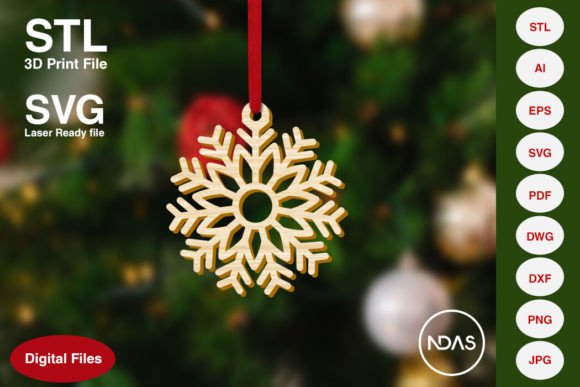
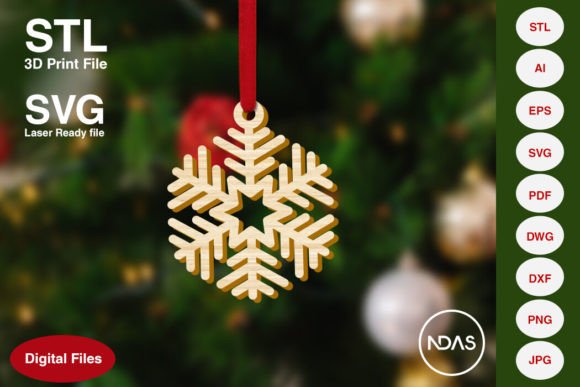
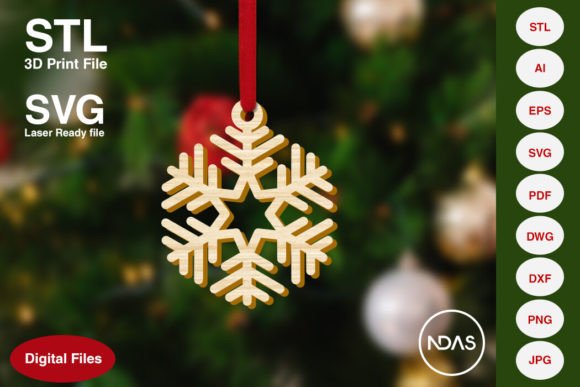
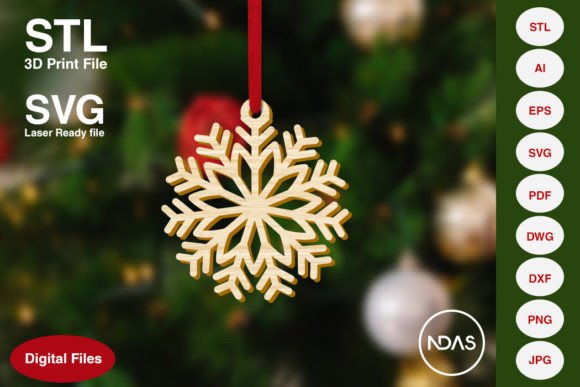
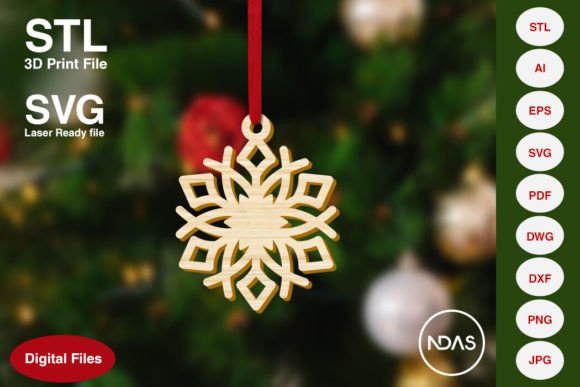
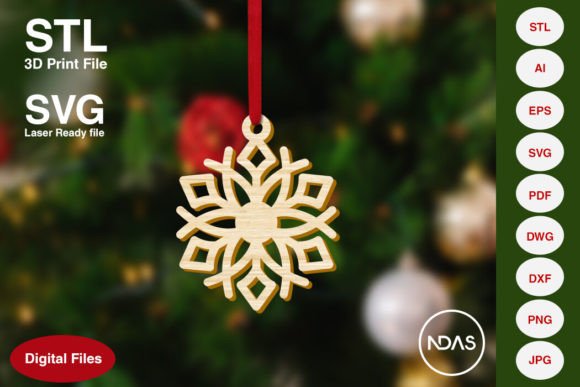
The moment you open the files associated with Snowflake Christmas Tree Ornament 7c, the intent is clear. It leans heavily into the cozy, nostalgic aesthetic that defines modern winter decor. The shape suggests a delicate ornament, likely featuring intricate cutwork or fine satin stitching that mimics the complexity of real ice crystals. For an embroidery project intended for the home, this design strikes a balance between festive cheer and sophisticated elegance. It does not scream "holiday sale"; rather, it whispers "boutique gift."
This visual language makes it particularly effective for Home Decor applications. When evaluating a design, I always ask myself: does this look good on a shelf? Does it feel like something a customer would display proudly? With Snowflake Christmas Tree Ornament 7c, the answer is yes. The layout feels balanced, avoiding the cluttered look that plagues many budget-friendly embroidery files. It has room to breathe, which translates directly to better stitching clarity and a more professional finished product.
Real-World Application: From Hoop to Handmade Product
Let’s talk about how this design performs in actual production scenarios. Imagine you are preparing inventory for the upcoming holiday season. You want to create a line of personalized gifts that stand out from the mass-produced items found in big-box stores. Snowflake Christmas Tree Ornament 7c shines brightly in this context. Its versatility allows it to be adapted across a wide range of custom apparel and accessories.
- Tote Bags: A single, well-placed embroidery of this ornament on a canvas tote bag creates an instant statement piece. The clean lines of the design ensure that even if the fabric has a heavy texture, the embroidery remains legible and sharp.
- Holiday Gifts and Personalized Products: Because the design evokes a sense of tradition, it pairs beautifully with monograms. Adding a recipient's name below the ornament transforms a simple decoration into a cherished keepsake. This is perfect for personalized gifts such as baby blankets, nursery wall hangings, or framed quilt squares.
- Small Shop Merchandise: For an Etsy seller or craft business owner, this design offers high perceived value without requiring excessive thread usage. It looks expensive but stitches relatively quickly, improving your profit margins on small shop product listings.
I also tested the concept of using this design on soft goods like sweatshirts and aprons. On a cream-colored cotton apron, the contrast provided by typical white or silver threads works exceptionally well. However, on darker fabrics, you must be careful with thread selection to maintain the delicate nature of the snowflake details. If the thread is too thick, you risk losing the fine points of the ornament shape.
Where Caution Is Required
No design is perfect for every surface. There are specific situations where Snowflake Christmas Tree Ornament 7c requires careful handling. First, consider the hoop size. If you attempt to scale this design down too much for tiny applications, such as embroidered patches for children's clothing or small hat fronts, you may encounter issues with stitch density. Tiny details can merge together, turning a crisp snowflake into a blurry blob.
Furthermore, avoid placing this design on highly textured or stretchy fabrics unless you are using the correct stabilizer. Materials like terry cloth towels or loose-knit sweaters can distort the geometry of the ornament. Similarly, on curved surfaces like baseball caps, the flatness of the design might not lay perfectly against the curve, leading to puckering if the underlay stitches are not robust enough. Always inspect the stitch density in your software before committing to a final run on expensive materials.
Technical Considerations for Designers
From a technical standpoint, reviewing the file structure is essential. While the product description mentions a variety of formats including STL, AI, SVG, EPS, PDF, DXF, DWG, PNG, and JPG, it is important to note that these are primarily vector and raster formats suitable for laser cutting or 3D printing, alongside the core embroidery needs. As an embroidery specialist, my primary concern is how these vectors translate into stitch data. If you are converting these vector files into an applique design or creating a custom digital embroidery file, you will need to manually adjust the satin stitches and fill stitches to suit your machine's capabilities.
When setting up the design, pay close attention to the thread colors. Snowflakes often rely on subtle shifts in shade—perhaps a transition from icy blue to pure white—to create depth. Using a single solid color can make the design look flat. Additionally, test the design in black and white mockups to ensure the contrast holds up regardless of the color palette you choose. This step is crucial for maintaining brand consistency if you are selling multiple variations of the same item.
Final Verdict: Is It Worth the Investment?
After evaluating Snowflake Christmas Tree Ornament 7c for potential use in client projects and personal craft fairs, the conclusion is positive. It is a reliable, aesthetically pleasing design that elevates the quality of handmade product offerings. It appeals to customers who appreciate detail and craftsmanship, making it a strong candidate for commercial embroidery ventures.
However, success depends on execution. Do not skip the testing phase. Stitch the design on scrap fabric first. Check the back of the work for stability. Ensure that the stabilizer chosen matches the weight of your fabric. By taking these practical steps, you protect your reputation and ensure that every finished product leaving your studio meets the highest standards. For designers looking to add a touch of winter magic to their portfolio with minimal hassle, this design is a smart, stylish choice.