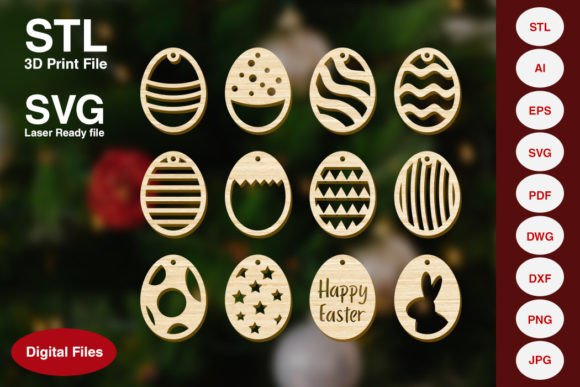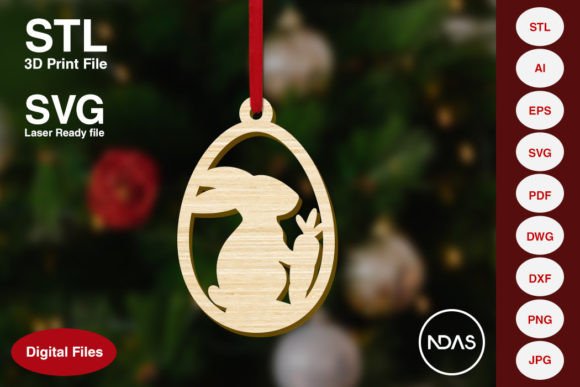
Easter Egg with Bunny and Carrot Inside
When I evaluate a new machine embroidery design, I am rarely looking for just "cute." As a designer who produces goods for small businesses, craft fairs, and personal client projects, I am looking for viability. Does the design translate well from screen to fabric? Is it distinct enough to stand out in a crowded Etsy marketplace? And most importantly, does it hold up under the scrutiny of a customer who paid good money for a handmade product?
The Easter Egg with Bunny and Carrot Inside caught my eye not just because of the seasonal relevance, but because of its structural promise. It is marketed as a versatile asset, including files for 3D printing and laser cutting alongside standard embroidery formats. However, my focus here remains strictly on its potential within the realm of textile arts. After spending time analyzing the layout, detail density, and thematic weight of this embroidery file, I have formed a clear picture of where it shines and where it might struggle.
First Impressions and Visual Personality
The moment you load the design into your digitizing software or preview window, the composition feels balanced. The central motif—an Easter egg containing a bunny and carrot—creates a natural focal point. For an embroiderer, this is crucial. Unlike complex scenes that require multiple color changes and intricate background work, this design relies on strong silhouettes. This makes it highly adaptable for various applications, from a simple chest logo on a sweatshirt to a centered medallion on a tote bag.
The mood is undeniably cheerful and nostalgic. It taps into the classic imagery of spring without leaning too heavily into overly childish aesthetics, which allows it to appeal to a broader demographic. When I imagine this stitched out, I see a design that works beautifully in satin stitch for the outlines of the egg and the bunny, providing a crisp, professional edge. The internal elements, such as the carrot details, likely utilize fill stitch or dense running stitch techniques to create texture. This combination of line work and fill creates visual interest without requiring excessive thread consumption, keeping production times reasonable for a craft business.
Real-World Application: From Tote Bags to Nursery Decor
To truly test a design, you must visualize it in context. Let’s look at a few scenarios where the Easter Egg with Bunny and Carrot Inside could excel.
- Custom Apparel and Sweatshirts: Imagine a soft, oatmeal-colored crewneck sweatshirt. Placing this design on the left chest in white or pastel yellow thread creates a subtle, sophisticated look. Alternatively, a larger placement on the back could serve as a statement piece for spring events. The clean lines of the egg shape ensure that the design remains legible even when viewed from a distance.
- Baby Embroidery and Personalized Gifts: This is perhaps the strongest use case. A onesie or a burp cloth featuring this motif is a top-tier choice for baby showers. The theme is gentle and appropriate for infants. When combined with high-quality stabilizer and soft cotton blends, the finished product feels premium. Parents are often willing to pay a premium for personalized gifts that show attention to detail, and this design offers exactly that.
- Tote Bag Design and Market Merchandise: For the Etsy seller or market vendor, durability and visibility are key. Printing this on a canvas tote bag is a no-brainer. The contrast between the sturdy fabric and the smooth embroidery threads will make the design pop. It serves as excellent branding for a boutique that specializes in handmade goods.
- Holiday Embroidery and Home Accents: Beyond apparel, consider kitchen towels or pillow covers. A set of embroidered tea towels featuring this motif can elevate a home’s spring decor. It bridges the gap between functional household items and decorative art, fitting naturally into the Home Decor category while maintaining its identity as a festive accessory.
Technical Considerations and Potential Pitfalls
No design is perfect, and as a reviewer, I must highlight areas where caution is needed. The success of any embroidery project depends heavily on execution.
Small Hoop Sizes and Detail Clarity: If you plan to digitize or use this design for very small applications, such as an embroidered patch or a cap front panel, you must inspect the fine details. Small features like the bunny’s eyes or the texture of the carrot may become muddy if the stitch count is too low or if the hoop size restricts the machine’s ability to move freely. Always test these designs on scrap fabric first to ensure that tiny elements remain distinct.
Fabric Texture and Stability: The performance of this design will vary significantly depending on the substrate. On smooth cotton or linen, the stitches will lay flat and look crisp. However, on textured fabrics like heavy denim or bouclé wool, the definition may be lost. Furthermore, stretchy fabrics require proper stabilization to prevent puckering. Without adequate stabilizer, even a well-digitized design can distort, ruining the professional appearance of the final item.
Thread Color Contrast: The visual impact of the Easter Egg with Bunny and Carrot Inside relies on contrast. Using light threads on dark fabric, or vice versa, is essential. If you attempt to use muted tones on a similarly colored background, the design may blend in too much, losing its charm. I recommend testing the design in black-and-white mockups to verify that the shapes separate clearly before committing to expensive threads.
Strategic Advice for Sellers and Makers
For those using this design to drive sales, presentation is everything. When creating listings for platforms like Etsy, your printable mockup should showcase the design in realistic settings. Show how it looks on a folded sweatshirt, hanging on a tote bag handle, or draped over a chair. This helps buyers visualize the finished product in their own lives.
Additionally, always confirm licensing terms. While the product description mentions various digital formats (STL, AI, SVG, etc.), ensuring you have the right to sell physical items made from the embroidery file is critical. Misunderstanding commercial rights can lead to legal issues and loss of trust among your customers.
Finally, consider the versatility of the asset. Since the package includes files for other mediums like 3D printing or laser cutting, you might cross-promote your offerings. A buyer purchasing an embroidered tote could also be interested in a matching 3D-printed ornament. This holistic approach adds value to your brand and encourages repeat business.
Final Verdict
The Easter Egg with Bunny and Carrot Inside is a solid, well-conceived design that balances aesthetic appeal with practical usability. It is not overly complex, which makes it accessible for beginners while still offering enough character to satisfy seasoned designers. Its strength lies in its adaptability across multiple product categories, from custom apparel to nursery decor.
By paying close attention to fabric choice, stabilization, and thread selection, you can transform this digital asset into a tangible bestseller. It is a reliable addition to any library of design assets, particularly for those looking to capitalize on the spring season with minimal risk and maximum creative flexibility. Just remember: always test, always stabilize, and always prioritize quality in your small shop product line.