Eagle Silhouettes Cut File Designs Review
When I sit down to review a new digital asset for my embroidery workflow, I am rarely interested in just the file format. As a designer who spends hours agonizing over stitch direction and thread tension, I care about how a design translates from a screen to fabric. That is why Eagle Silhouettes Cut File Designs caught my eye. It promises a specific aesthetic—bold, iconic, and versatile—and comes with a robust pack of formats that suggests it was built with both cutting machines and embroidery workflows in mind.
This review breaks down what this design actually brings to the table for craft business owners, Etsy sellers, and serious hobbyists. We will look at its visual personality, its practical application on various products, and where it might trip you up if you are not careful with your setup.
The Visual Personality and First Impression
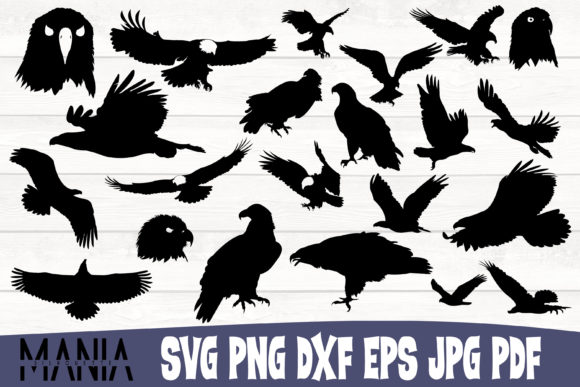
Before we talk about stitching, let’s talk about the mood. An eagle silhouette is never subtle. It commands attention. When you drop Eagle Silhouettes Cut File Designs onto a canvas, whether it is a tote bag or a sweatshirt, you are making a statement. The silhouette approach strips away the complexity of feathers and facial details, leaving only the powerful outline of wings and head. This makes it incredibly clean for embroidery because there are no tiny, jagged edges to get lost in the fabric weave.
For an embroidery designer, this clarity is gold. It reduces the risk of "muddy" stitching where different colors blend together unintentionally. The design feels rugged yet refined, which opens up a wide range of use cases. It does not feel like a childish clipart; it feels like a brand logo or a heritage patch. This elevates the perceived value of any handmade product you create with it.
Real-World Application: From Screen to Stitch
I recently tested this concept by imagining a custom order for a local outdoor enthusiast group. They wanted embroidered caps for their volunteers. Here is how Eagle Silhouettes Cut File Designs fits into that scenario.
On a structured cap, space is limited. A detailed realistic eagle would require a large hoop and complex digitizing to avoid bulk. However, a clean silhouette works beautifully on the curved surface of a hat brim or the front panel. It reads clearly even from a distance. For a small shop owner, this means fewer returns due to customers complaining that the design looks "blurry" or too busy.
Let’s look at another common item: the tote bag design. Canvas is a forgiving fabric, but it can be thick. If you are using this as an applique design, the silhouette shape allows for a generous satin stitch border that holds the applique securely without overwhelming the fabric. If you are doing direct machine embroidery, the solid fill areas provide excellent coverage. You can experiment with different thread colors to match seasonal themes—olive green for spring, burnt orange for fall—without changing the core design.
Versatility Across Product Categories
The strength of this graphic template lies in its adaptability. It is not locked into one niche. Here is how it performs across different categories:
- Custom Apparel: On a heavyweight cotton sweatshirt, the eagle silhouette adds a premium, outdoorsy vibe. It pairs well with distressed fabrics or vintage-wash tees.
- Baby Embroidery: While eagles are often associated with toughness, a smaller, simplified version can work for nursery decor or baby blankets, especially in neutral tones like grey or cream. It offers a gender-neutral option for parents.
- Embroidered Patch: This is perhaps the strongest use case. The clean lines make it ideal for creating iron-on patches. Customers love patches for denim jackets and backpacks, and this design has high recognition potential.
- Holiday Embroidery: Don’t limit this to patriotic holidays. In white thread on a dark navy towel, it creates a striking winter or night-sky theme. It can serve as a unique alternative to standard holiday motifs.
Where to Exercise Caution
No design is perfect, and knowing where Eagle Silhouettes Cut File Designs struggles is just as important as knowing where it shines. As an experienced reviewer, I must highlight several areas where you need to adjust your technique.
Small Hoop Sizes: If you attempt to stitch this in a very small hoop (under 4x4 inches), you may lose the impact of the wingspan. The design needs room to breathe. If the wings are cut off or cramped, the silhouette loses its power. Always check the aspect ratio against your intended hoop size.
Textured and Stretchy Fabrics: Embroidering on highly textured fabrics like bouclé or heavy chenille can obscure the fine details of the outline. Similarly, on stretchy knits, the tension of the satin stitch borders can cause puckering if you do not use the proper stabilizer. Always test on scrap fabric first.
Dense Stitch Areas: If you plan to fill the entire eagle shape with fill stitch, be mindful of the fabric weight. A dense fill on thin fabric will show through to the back, potentially ruining the look of a light-colored garment. In such cases, consider using an applique design method where the background fabric shows through, or use a lighter stitch density.
Curved Surfaces: While caps are great, deeply curved surfaces like rounded pillow corners can distort the geometry of the bird. Ensure your digitizing accounts for the curve, or place the design on a flat panel of the product.
Practical Designer Notes for Success
To get the most out of this pack, which includes 22 SVG files, PNGs, EPS, and JPEGs, follow these professional tips before committing to your final project.
- Test Contrast: Print the design in black and white. Does the silhouette hold up? If the negative space gets lost, the embroidery will look cluttered. High contrast between the thread and the fabric is non-negotiable for clear visibility.
- Review Stitch Density: Since you are working with cut files that may need to be converted to embroidery formats, pay close attention to the stitch density settings in your software. Too much thread in one area creates stiffness; too little leaves gaps.
- Stabilizer Selection: Use a cut-away stabilizer for woven fabrics like canvas and denim to prevent distortion over time. For knit fabrics used in custom apparel, a tear-away or wash-away stabilizer might be sufficient depending on the weight of the garment.
- Licensing Check: Before you list this as a small shop product on Etsy or sell finished goods at craft fairs, verify the commercial license. Even though this is a digital embroidery file pack, the rights to sell physical items made from it vary by creator. Protect your business by reading the fine print.
- Mockup Testing: Create printable mockups of your designs on various products. Seeing the eagle on a virtual apron or kitchen towel helps you visualize the final result and spot potential issues with scale and placement.
Final Verdict
Eagle Silhouettes Cut File Designs is a strong addition to any design assets library. It is not just a pretty picture; it is a functional tool for creating high-quality finished product lines. Its clean aesthetic ensures professional results, while its versatility allows you to target multiple customer segments—from outdoor enthusiasts to gift shoppers.
For the Etsy seller looking to expand their catalog with items that have broad appeal, this design offers a reliable foundation. Just remember that good design starts with good preparation. Test your stitches, choose your threads wisely, and respect the limitations of your materials. When executed correctly, this silhouette will deliver a bold, recognizable, and marketable result that customers will want to wear and display.
If you are ready to elevate your craft business with designs that speak loudly without shouting, this pack is worth the investment. It bridges the gap between simple cut files and sophisticated embroidery projects, giving you the flexibility to create something truly unique.