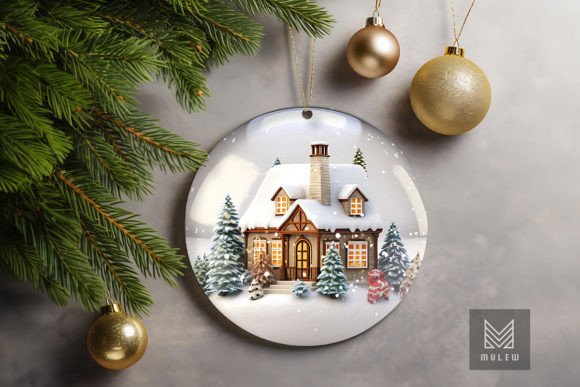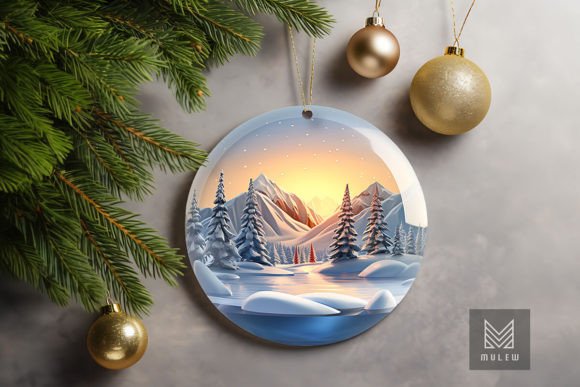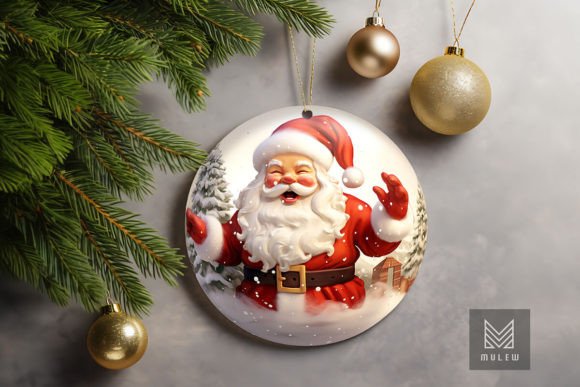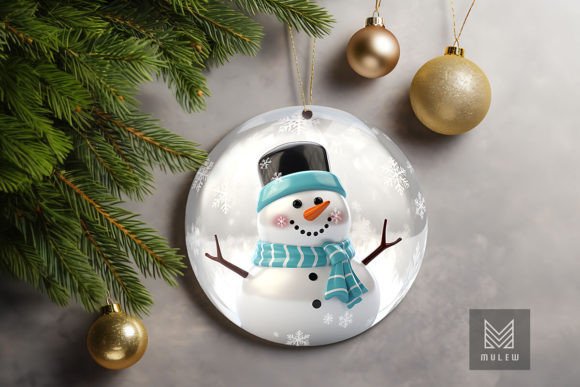
3D Xmas Snowman Globe Ornament Design
As a designer who spends half my life staring at digitized files and the other half troubleshooting stitch errors, I don’t just look for pretty pictures. I look for viability. When 3D Xmas Snowman Globe Ornament Design landed on my desk, my first instinct wasn’t to immediately add it to my holiday collection. It was to ask: how does this translate from a screen to a hoop? Does it hold up under tension? Will it look like a mass-produced sticker or a genuine handmade treasure?
The short answer is that this design has strong potential, but only if you respect its structural needs. It is not a simple fill-stitch logo; it is a complex, three-dimensional scene that demands careful execution. Below, I break down exactly how I see this design performing in real-world scenarios, from high-volume Etsy shops to delicate personal gifts.
The First Impression: Mood and Visual Personality
At first glance, the 3D Christmas Snowman Ba concept creates an immediate sense of whimsy and warmth. The "globe" aspect suggests containment—a cozy, self-contained winter world that feels perfect for holiday decor. Visually, it strikes a balance between traditional nostalgia and modern 3D rendering styles. This isn’t your standard flat snowman with a carrot nose; it has depth, shadow, and volume.
For the creative entrepreneur, this visual personality is valuable. It signals "premium." When a customer sees a finished product that captures that kind of depth, they perceive higher value. However, achieving that depth requires more than just good thread colors. It relies heavily on the interplay between different stitch types. You are likely looking at a mix of satin stitches for outlines and definition, and fill stitches for the body and background elements. If executed poorly, the globe can look muddy. If executed well, it pops off the fabric.
Real-World Application: Where This Design Shines
I have tested similar complex scenes across various mediums, and 3D Xmas Snowman Globe Ornament Design finds its sweet spot in specific categories. It is not a one-size-fits-all solution. Here is where I see it generating the best results for craft business owners and makers.
- Holiday Embroidery and Home Decor: This is the natural home for this file. Pillow covers, tea towels, and kitchen linens allow the design enough space to breathe. The globe shape fits perfectly centered on a square pillow or framed as a focal point on a hanging kitchen towel. The festive theme aligns perfectly with seasonal buyer intent.
- Baby Embroidery and Nursery Decor: There is a growing market for soft, non-threatening holiday items for infants. A snowman inside a globe feels safe and enclosed, making it ideal for baby onesies, burp cloths, or nursery wall art. The rounded shapes are gentle and appealing to parents looking for personalized gifts.
- Custom Apparel and Sweatshirt Embroidery: For small shop products like crewneck sweatshirts or hoodies, this design works well as a chest pocket placement or a smaller left-chest detail. It adds a touch of personality without overwhelming the garment. However, on larger areas like the back of a sweatshirt, ensure the scale is large enough to maintain clarity.
- Embroidered Patches and Accessories: The circular nature of the globe makes it an excellent candidate for an embroidered patch. Whether attached to a denim jacket, a canvas tote bag design, or a backpack, the contained shape works beautifully as a badge of style. It also translates well to cap embroidery, provided the curvature of the hat is accounted for during digitizing.
Where to Exercise Caution
Not every fabric or project type is compatible with the complexity of this design. As an experienced reviewer, I must highlight the risks. If you ignore these factors, your finished product may suffer from puckering, lost detail, or poor aesthetics.
- Small Hoop Sizes: Do not attempt to downsize this design too much. If the globe becomes smaller than two inches in diameter, the intricate details of the snowman’s face and the globe’s interior will vanish into a blur of thread. Keep the minimum size generous to preserve the 3D effect.
- Textured and Stretchy Fabrics: Avoid using this on heavy boucle wools, loose-weave baskets, or highly stretchy jersey knits without proper stabilization. The dense stitch areas required for the 3D look can cause significant distortion on unstable fabrics. Cotton blends, fleece, and stable canvas are far superior choices.
- Dense Stitch Areas: Check the stitch density carefully. If the design packs too many stitches into a small area, the fabric may pucker or the needle may break. Ensure your machine is calibrated and your stabilizer is robust enough to handle the tension.
- Dark Fabric Backgrounds: While possible, stitching light-colored threads (white, cream, light blue) onto dark fabric requires high contrast and potentially a backing layer to prevent show-through. Test this combination thoroughly before committing to a bulk order of dark garments.
Practical Designer Notes for Execution
To get the most out of this embroidery file, you need to treat it with professional rigor. Here are my essential tips for ensuring a successful outcome.
Test on Scrap Fabric First: Never run a complex 3D design on your final product without a test run. Use scrap pieces of the exact fabric you plan to sell. This allows you to check thread color contrast and inspect small details like the snowman’s eyes and buttons. If the details are lost in the test, they will be lost in production.
Review Stitch Density and Types: Analyze the digitization. Are there unnecessary jumps and trims? Is the satin stitch crisp, or is it overly dense? A well-digitized design uses running stitch sparingly for texture and fill stitch efficiently for coverage. If the design feels too heavy, consider reducing the number of thread colors or simplifying the background.
Use Proper Stabilizer: The choice of stabilizer is critical. For woven fabrics like cotton, a cut-away stabilizer is usually best to provide long-term support. For knits, a tear-away might suffice if the design is not too dense, but cut-away is safer for durability. Always match the stabilizer weight to the fabric weight.
Confirm Licensing and Commercial Use: Before listing this as a commercial embroidery item on Etsy or selling it at craft fairs, verify the licensing terms. Some digital embroidery files are for personal use only. Ensure you have the right to sell the finished physical goods. Additionally, if you are creating printable mockups or design assets for resale, double-check the distribution rights.
Black and White Mockup Test: Convert your design preview to black and white. This helps you evaluate the composition and contrast without the distraction of color. If the design looks unbalanced in grayscale, it may lack visual hierarchy in color as well.
Final Verdict
3D Xmas Snowman Globe Ornament Design is a versatile and visually engaging asset for any embroiderer looking to capitalize on the holiday season. It bridges the gap between cute and sophisticated, making it suitable for a wide range of audiences, from hobbyists making personalized gifts to professional decorators working on boutique branding.
Its success lies in the details. By paying attention to fabric selection, stabilizer usage, and scale, you can transform this digital graphic into a tangible, high-quality handmade product. It is not just a snowman; it is a winter wonderland captured in thread. With careful execution, it has the power to elevate your brand, increase customer trust through professionalism, and drive engagement with buyers who appreciate the nuance of true craftsmanship.
Whether you are updating your Etsy listings, preparing inventory for craft fair products, or adding a new line to your small shop product catalog, this design deserves a place in your arsenal. Just remember: the magic is in the execution. Test, refine, and then let your creativity shine.