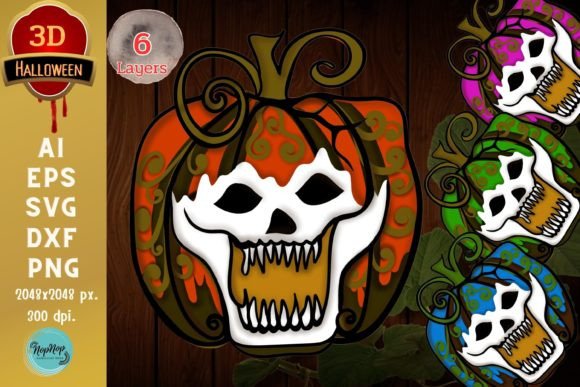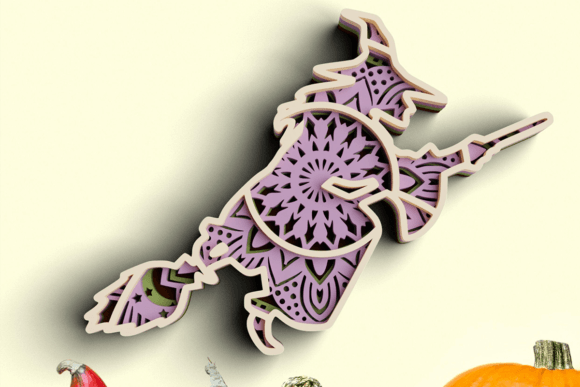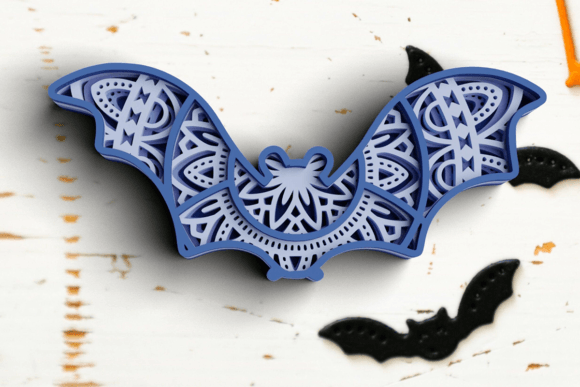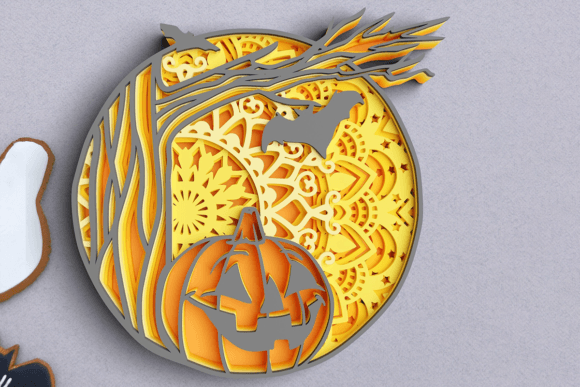
3D Halloween Fruit Skull Set: Laser Cutting & Autumn Amp Editorial Review
In the world of digital publishing, visual hierarchy is not just an aesthetic choice; it is a functional necessity. As a blog designer who has spent years optimizing content for readability, click-through rates, and brand trust, I approach every new graphic design asset with a critical eye. Does it enhance the narrative? Does it load quickly? Does it feel authentic to the audience? Today, I am reviewing the 3D Halloween Fruit Skull Set, a unique collection that blends seasonal whimsy with sophisticated texture. This review focuses on how this asset fits into real-world editorial workflows, from featured images to downloadable lead magnets.
The First Impression: Mood and Editorial Voice
Halloween is often treated as a fleeting decoration in content marketing, but when executed well, it becomes a powerful thematic anchor. The 3D Halloween Fruit Skull Set immediately establishes a mood that is playful yet polished. It avoids the cliché of cheap horror tropes, opting instead for a modern, artistic interpretation of decay and harvest. The description notes that "Halloween is believed to connect the dimensions of the dead and the living," which suggests a depth to the imagery that goes beyond simple spookiness. In a publishing context, this translates to content that feels curated rather than generic.
For bloggers and digital publishers, the visual tone here is crucial. The asset leans towards a lifestyle-focused, slightly dark-academia or modern-gothic aesthetic. It supports content niches such as wellness journals, creative writing prompts, autumn recipe blogs, or even educational posts about folklore. The textures suggest a tactile quality that can elevate a flat webpage into something immersive. When readers land on a page featuring these visuals, they perceive the site owner as someone who values detail—a key factor in building long-term reader trust.
Real-World Publishing Applications
One of the biggest challenges in content creation is repurposing assets across multiple platforms without losing consistency. The 3D Halloween Fruit Skull Set offers versatility that makes it a strong candidate for a multi-platform content strategy. Here is how I see this fitting into a typical publisher’s workflow:
- Blog Featured Images and Headers: The high-resolution nature of these designs allows them to serve as striking hero images. They provide a strong focal point that draws the eye before the headline, increasing the likelihood of engagement.
- Pinterest Graphics and Social Media Posts: Pinterest is a visual search engine where aesthetics drive traffic. These skulls offer a distinct look that stands out in crowded feeds. They are perfect for pins linking to holiday recipes, DIY crafts, or spooky reading lists.
- Newsletter Banners: Email open rates depend heavily on subject lines and preview text, but the banner image sets the tone. Using this set in a monthly autumn newsletter can create a cohesive brand identity that subscribers come to recognize and expect.
- Digital Guides and Lead Magnets: For those creating downloadable resources, such as a "Halloween Hosting Guide" or a "Spooky Self-Care Checklist," these graphics can be used as cover art or section dividers. This adds professional polish to freebies, making them feel like premium products.
- Canva Templates: If you sell templates to other creators, incorporating these 3D elements into your designs adds value. They serve as excellent decorative accents that users can easily drag and drop into their own layouts.
Impact on Content Performance and Brand Identity
Visuals do more than decorate; they guide behavior. A well-designed web design element improves the user experience by breaking up text and providing visual relief. The 3D Halloween Fruit Skull Set contributes to a stronger visual identity by offering a unique signature style. In a saturated market, having a consistent visual language helps differentiate your brand.
Furthermore, the use of high-quality editorial design assets signals professionalism. When a website looks cluttered or uses low-resolution stock photos, readers may subconsciously question the credibility of the information presented. By investing in distinctive assets like this fruit skull set, you demonstrate attention to detail. This can lead to improved reader trust, longer time-on-page metrics, and better performance in affiliate marketing campaigns, where trust is the currency of conversion.
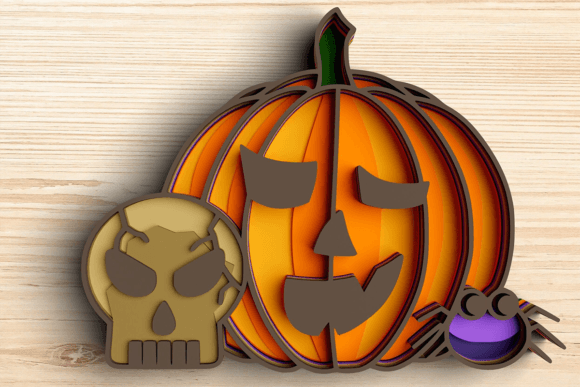
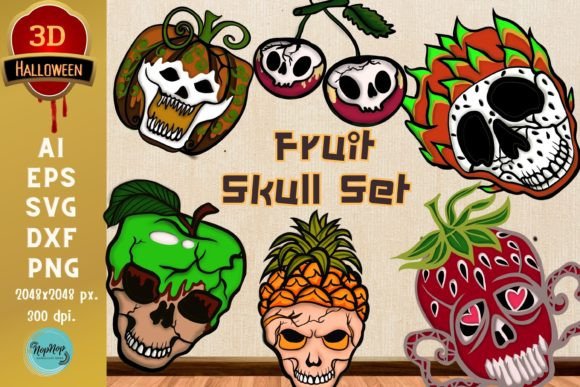
The asset also supports better visual hierarchy. The intricate details of the laser-cut style fruits draw the eye naturally, allowing designers to place call-to-action buttons or important headlines in complementary spaces. This thoughtful arrangement ensures that the most important content is seen first, enhancing the overall effectiveness of the page layout.
Strategic Placement and Visual Hierarchy
To get the most out of these graphics, strategic placement is key. They work exceptionally well in areas where you want to create impact without overwhelming the text. Consider using them as background textures for quote blocks, as icons for category pages, or as decorative elements in sidebar widgets. They are also ideal for content upgrades, such as exclusive printable planners or holiday-themed worksheets, where the visual appeal encourages downloads.
However, not every placement is suitable. The complexity of the 3D rendering means that these assets require breathing room. Overcrowding them with text or placing them against busy backgrounds can result in a muddy visual experience that confuses the reader. They should be used sparingly to maintain their novelty and impact.
Where to Use Carefully
While versatile, the 3D Halloween Fruit Skull Set is not a one-size-fits-all solution. There are specific contexts where caution is advised:
- Small Mobile Thumbnails: On mobile devices, screen real estate is limited. Intricate details may disappear at small sizes, resulting in a blurry or indistinct thumbnail. Always test how the graphic renders at 150x150 pixels or smaller.
- Text-Heavy Blog Images: Avoid overlaying large blocks of text directly onto the detailed parts of the skulls. This reduces readability and creates visual noise. Instead, use solid color overlays or place text in clear negative space.
- Serious Professional Niches: If your brand operates in corporate finance, legal services, or serious healthcare, this playful yet edgy aesthetic may clash with your established brand voice. It is best suited for lifestyle, creative, entertainment, or seasonal marketing campaigns.
- Low-Contrast Backgrounds: Ensure there is sufficient contrast between the graphic and its background. Poor contrast can make the image blend into the page, defeating its purpose as a visual anchor.
Practical Publisher Notes for Implementation
Before integrating the 3D Halloween Fruit Skull Set into your production pipeline, consider these technical and strategic checks:
- Cross-Device Testing: Preview the graphics on desktop, tablet, and mobile screens. Ensure they scale correctly and do not distort aspect ratios.
- Font Pairing: Experiment with different typography styles. These organic, textured shapes pair well with clean sans-serif fonts for a modern look, or with elegant serif fonts for a more traditional editorial feel. Script fonts can add a touch of whimsy if used sparingly.
- Contrast and Readability: Test the images in black and white to check for tonal balance. Ensure that any overlaid text remains legible against the varying shades of the 3D render.
- Web Performance: Large image files can slow down your site, negatively impacting SEO and user experience. Compress your images properly using tools like TinyPNG or ImageOptim to reduce file size without sacrificing visible quality.
- Licensing Verification: Always confirm the commercial license terms. If you are using these assets on monetized websites, affiliate pages, or within paid digital products, ensure you have the right to do so. A proper commercial license protects your business from legal issues and allows you to profit from your content freely.
Ultimately, the 3D Halloween Fruit Skull Set is more than just a seasonal decoration; it is a tool for enhancing brand storytelling. By understanding its strengths and limitations, publishers can leverage this asset to create visually stunning, trustworthy, and engaging content that resonates with audiences during the autumn season and beyond.